
Introduction
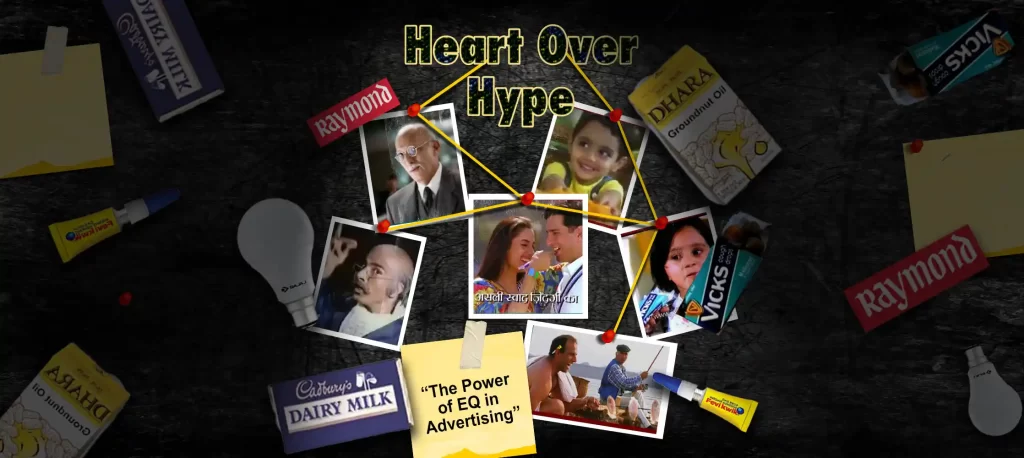
When it comes to ads — logic sells less than emotion. People seldom decide based purely on rational arguments. Emotional resonance, or EQ, often drives reactions. In advertising, tapping into emotions can create memorable impact that lasts longer than flashy hype.
In this post, we’ll explore what EQ in advertising means, why it works, and how brands can use it effectively — with real-world Indian examples to illustrate the power of emotional storytelling.
What Is “EQ” in Advertising?
“EQ in advertising” means designing ads that appeal to human feelings — empathy, nostalgia, joy, love, belonging — rather than just pushing product features or hype.
With EQ-based ads, the brand becomes part of a story or feeling that audiences can relate to. The product becomes more than a commodity — it becomes emotionally significant.
Why Emotional Storytelling Works
- Humans buy feelings, not just products. Emotional content creates a stronger psychological connection than logical arguments.
- Memorable & shareable — Emotionally charged ads are more likely to be remembered, replayed, shared or recommended.
- Builds brand loyalty & identity — When people connect emotionally, they feel aligned with your brand values, not just your product.
Rather than focusing solely on “what the product does,” EQ-driven ads focus on “how it makes you feel.”
Iconic Indian Ads That Got EQ Right
Here are some examples of ads that used emotional appeal rather than hype — and why they worked:
- Cadbury Dairy Milk — Celebrates joy and spontaneity (e.g. a kid or adult dancing in happiness), turning a chocolate advertisement into a celebration of life and emotions.
- Dhara Cooking Oil — Evokes nostalgia and innocence (childhood memories, simple joys), making the cooking oil more than just a kitchen necessity.
- Titan (Father-Daughter ad) — Captures familial love and bonding — the watch becomes a symbol of love, trust, and relationships, not just time.
These ads don’t sell with features; they sell with emotion — making the audience feel the brand, rather than see it.
How Brands Can Use EQ in Their Next Ad Campaign
If you’re planning your next ad or marketing campaign, here are actionable tips to incorporate emotional intelligence:
- Understand your audience’s emotional psyche — Know their fears, joys, aspirations, struggles. Build stories that resonate with those feelings.
- Tell human stories, not product specs — Focus on situations, relationships, memories — make the brand part of people’s lives.
- Use relatable settings & everyday moments — Real-life situations help people see themselves in your story.
- Avoid over-selling; emphasize empathy — Don’t push for purchase — evoke empathy, warmth, trust.
- Be authentic & subtle — Forced emotion often feels cheap. Genuine emotion builds trust.
- Create a lasting emotional impression — Build ads that stay with viewers long after they’ve seen them — that’s how brand loyalty is built.
Key Takeaways
- Emotional storytelling (EQ) makes advertising more human, relatable, and impactful.
- Ads based on emotions create deeper connections and help build long-term brand loyalty.
- Instead of focusing solely on product features, focus on shared human experiences, feelings, and stories.
- EQ-driven marketing — when done sincerely — turns a brand into a meaningful symbol, not just a seller.
Conclusion
In a world where hype often dominates, it’s emotion — EQ — that wins hearts (and eventually, loyalty). If you want your advertising to resonate, don’t just show what the product is. Show what it feels like to own it. Show the human story behind it. That’s the power of “Heart over Hype.”